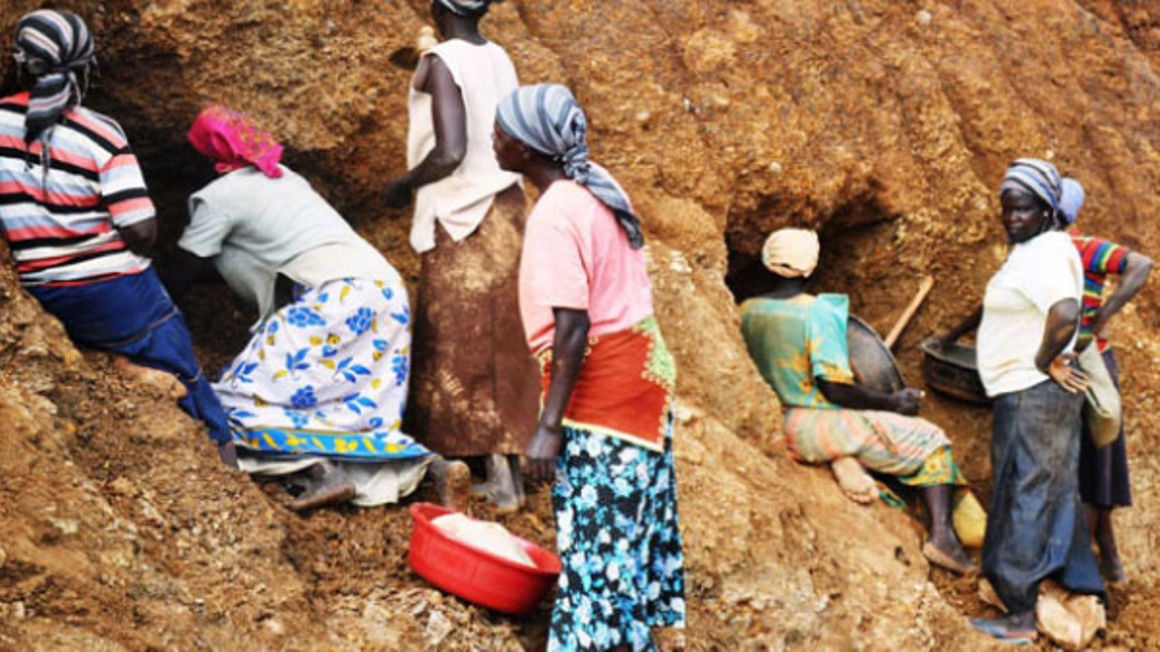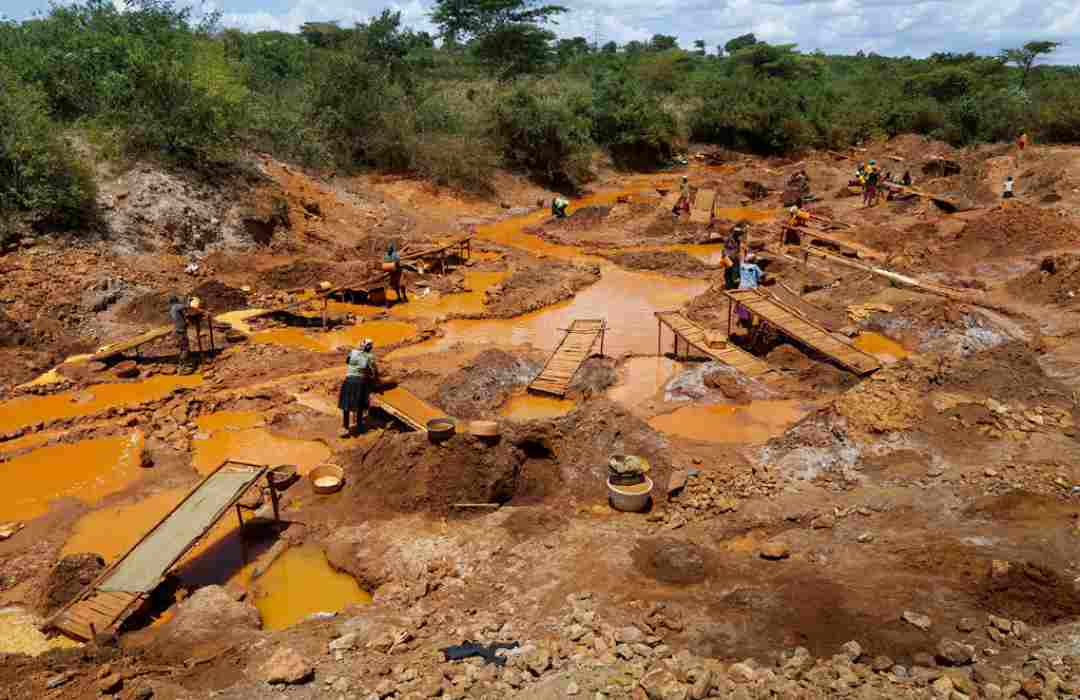
In Pre-Colonial Era, Indigenous communities in Migori County engaged in small-scale gold mining long before the arrival of European settlers. They used rudimentary tools and techniques to extract gold from riverbeds and shallow deposits.
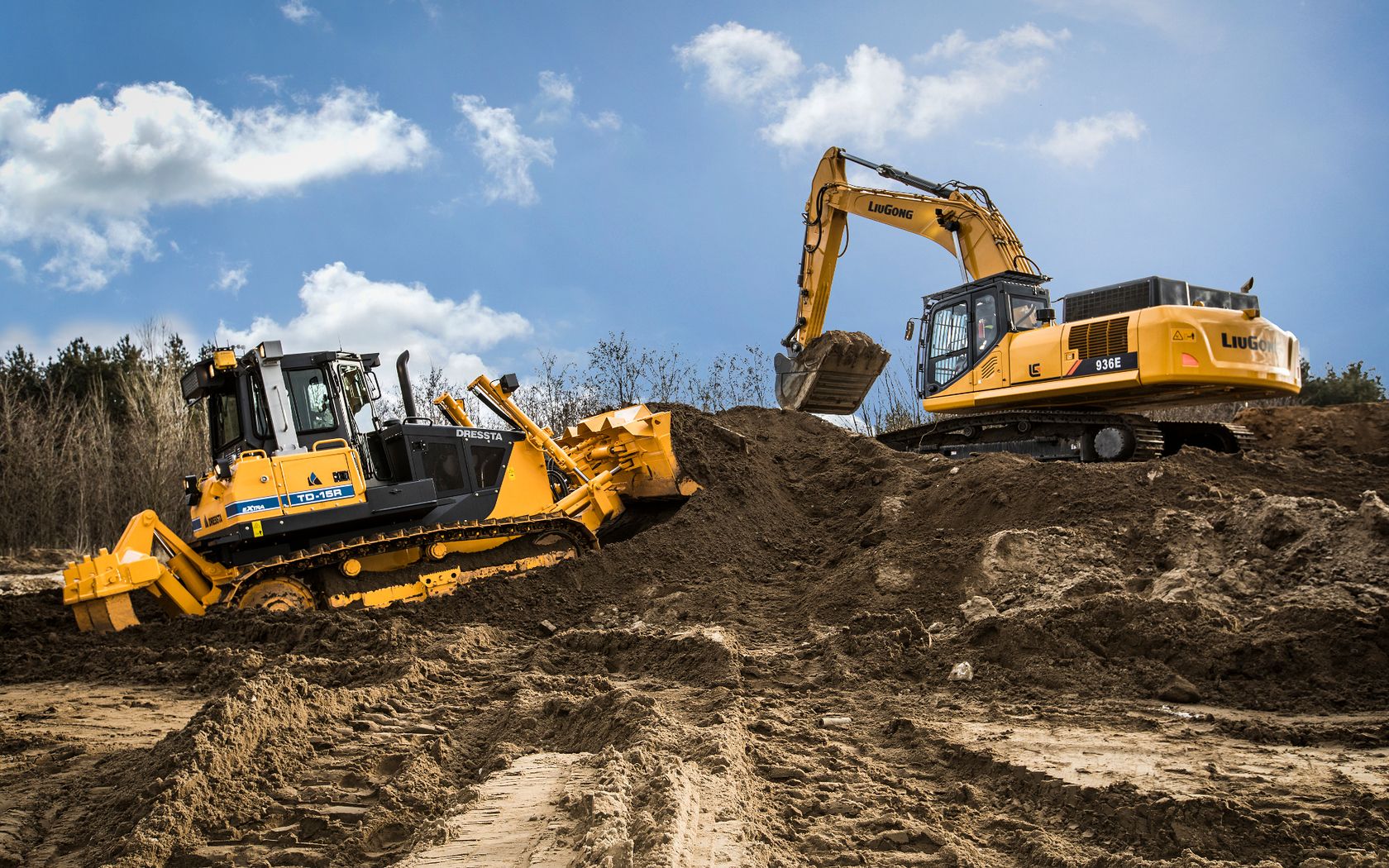
Early 1900s, The discovery of gold in the Migori region attracted European prospectors. By the 1910s, organized mining operations began, leading to the establishment of several mining camps and the influx of foreign investment.
Colonial Period(1930s), The Migori Greenstone Belt (MGB) became a significant focus for exploration. The identification of the Macalder Volcanogenic Massive Sulphide (VMS) deposit marked a turning point. This period saw the establishment of the Macalder mine, which became one of the most important mining sites in the region.
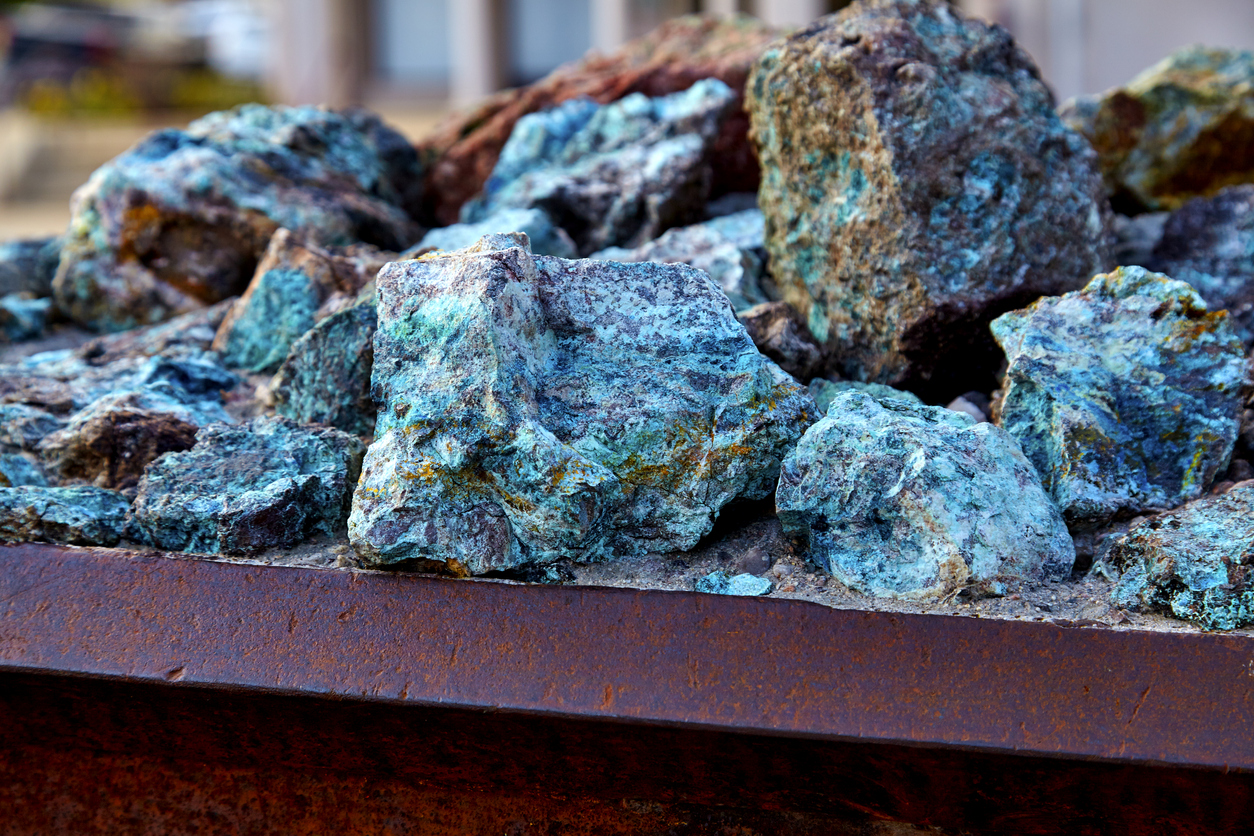
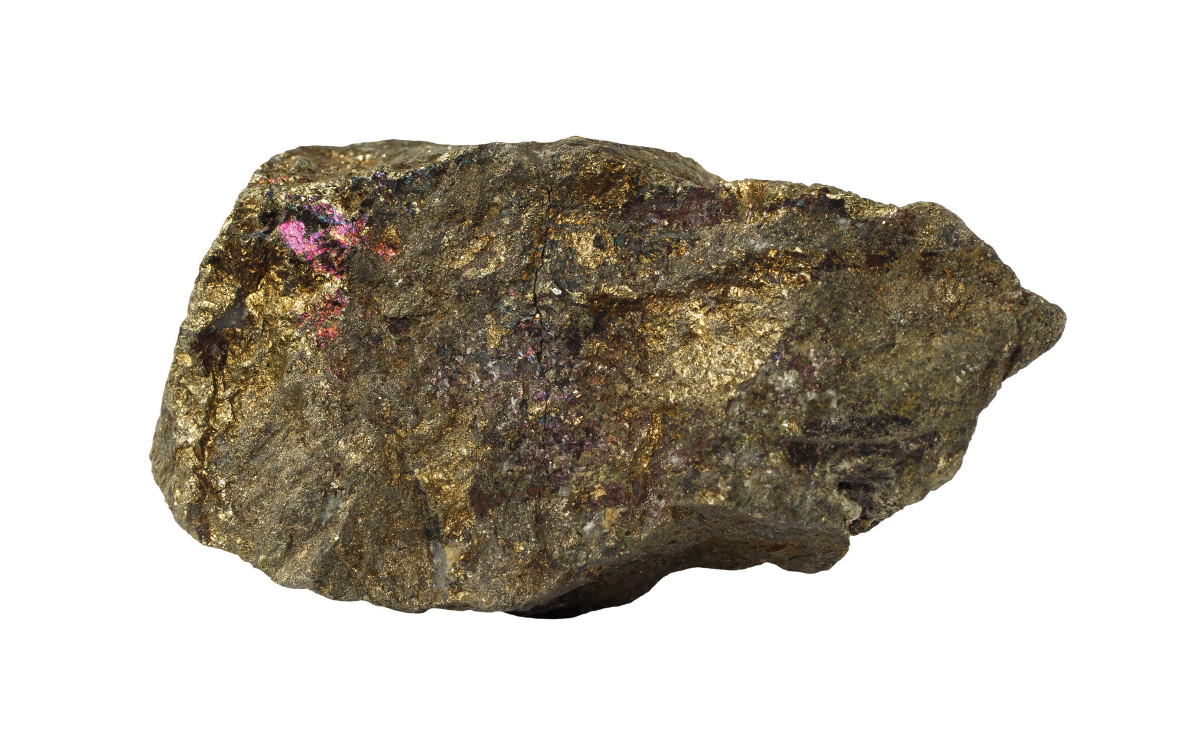
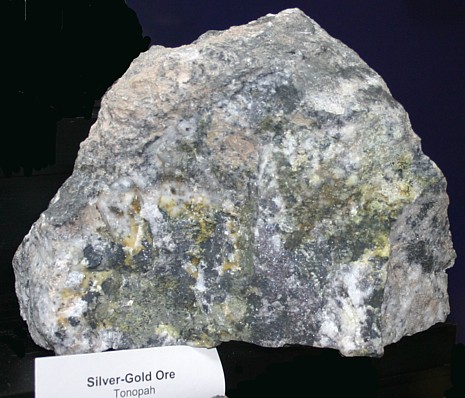
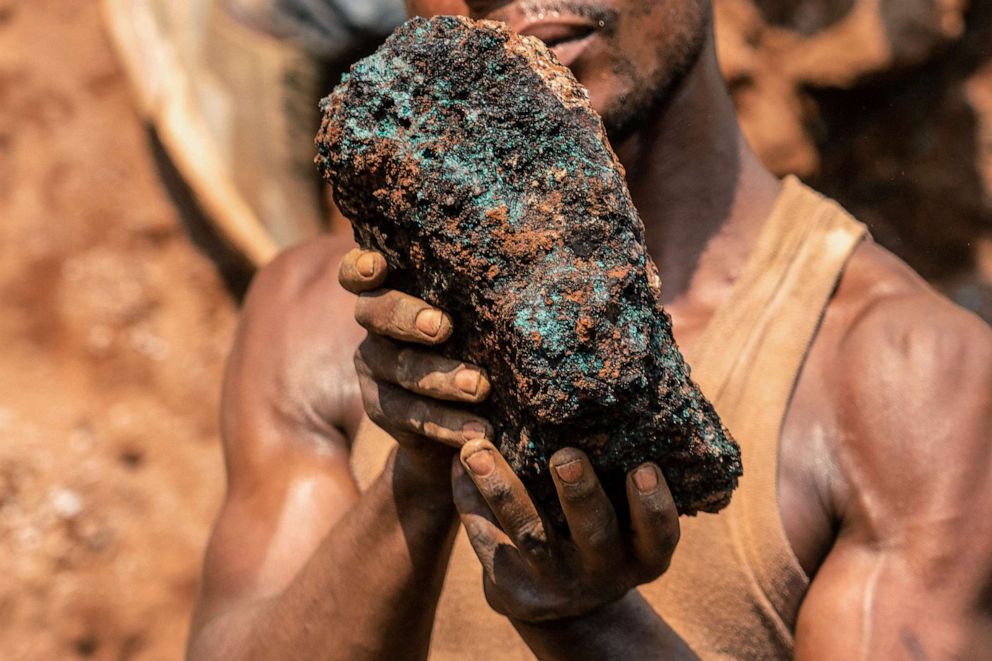
Mid-1930s, Falcon Bridge Africa, a prominent mining company, discovered the Macalder mine, which contained valuable deposits of copper, zinc, gold, and silver. This discovery led to extensive mining operations and the development of infrastructure to support the mining activities.
Post-Colonial Era(1960s), Following Kenya’s independence, many colonial miners left the region. Despite the decline in large-scale mining operations, local miners continued to extract gold using artisanal methods. The departure of colonial miners led to a shift towards more localized and small-scale mining activities.
Recent Years, Artisanal and small-scale gold mining (ASGM) has become a crucial source of livelihood for many residents of Migori County. Efforts to formalize the sector and improve mining practices have been ongoing, with support from both government and non-governmental organizations. These efforts aim to enhance safety, environmental sustainability, and economic benefits for the local communities.
.jpeg)